What Makes a Great Chocolate Ingredient? A Professional’s Guide
Great chocolate is never an accident. Behind every memorable dessert, smooth ganache, or perfectly baked brownie lies one critical factor that often goes unnoticed. The ingredient itself. For professionals working with chocolate, ingredient quality is not a luxury. It is the foundation of consistency, flavor, and trust.
This guide breaks down what truly defines a great chocolate ingredient and why it matters more than technique alone.
It Starts With Cocoa Quality
The heart of any chocolate ingredient is cocoa. Its origin, variety, and fermentation process directly influence flavor complexity. Well fermented cocoa delivers balance. Poor fermentation leads to flat, bitter, or acidic notes that no amount of sugar or flavoring can hide.
Professionals look for cocoa that offers depth rather than sharpness. Subtle notes of fruit, nuts, caramel, or warmth indicate careful sourcing and processing. Consistency across batches is equally important. A great ingredient tastes the same today as it will next month.
Fat Content Defines Performance
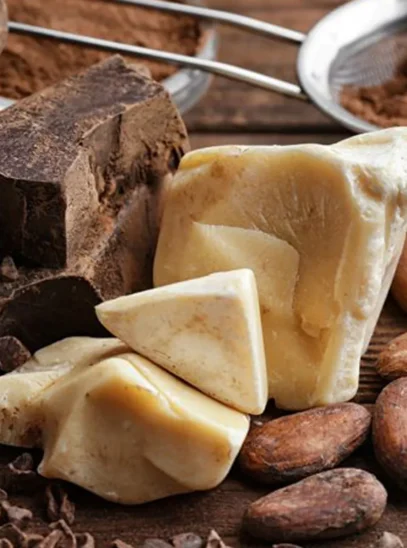
Chocolate is as much about behavior as it is about taste. Cocoa butter plays a major role in how chocolate melts, sets, and feels in the mouth. High quality cocoa butter creates a smooth melt, a clean snap, and a pleasant mouthfeel without greasiness.
Low quality fat or unstable blends lead to problems such as uneven setting, bloom, or dull finishes. For professionals, reliable fat composition means predictable results whether the chocolate is being tempered, baked, or blended into fillings.
Balance Over Intensity
More cocoa does not always mean better chocolate. What matters is balance. A great chocolate ingredient maintains harmony between bitterness, sweetness, acidity, and aroma. Overly aggressive profiles may sound impressive but often overpower desserts rather than support them.
Professionals value ingredients that enhance recipes instead of dominating them. Chocolate should work with other elements like dairy, fruits, nuts, or spices without losing its identity.
Consistency Is Non-Negotiable
In professional kitchens, consistency is everything. A great chocolate ingredient behaves the same way every time. It melts at a predictable temperature. It sets uniformly. It delivers the same colour, shine, and texture batch after batch.
Inconsistent ingredients increase wastage, slow down production, and compromise quality. This is why serious bakers and chocolatiers prioritise suppliers who offer controlled processing and strict quality checks.
Clean Labels Matter More Than Ever
Modern professionals are increasingly mindful of ingredient lists. Clean, transparent labels signal quality and integrity. Fewer additives mean fewer surprises during production and a cleaner taste on the palate.
Chocolate ingredients that rely heavily on artificial flavours or stabilisers often mask poor raw material quality. Great ingredients do not need to hide behind long labels. Their strength lies in simplicity and honesty.
Format Plays a Supporting Role
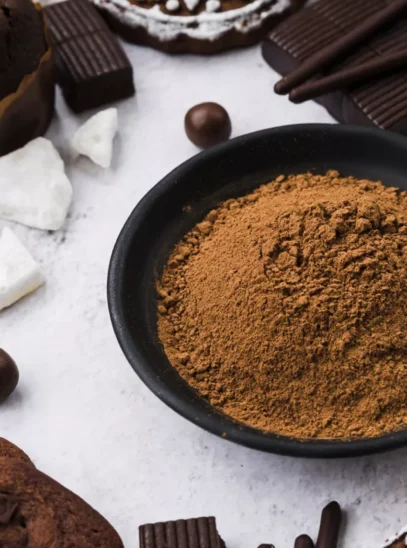
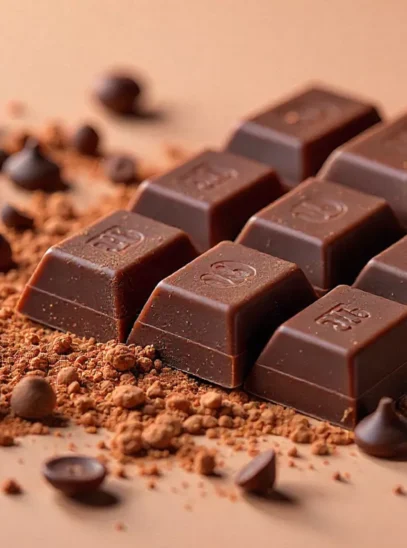
While quality comes first, format enhances usability. Bars, callets, chips, buttons, or powders each serve specific purposes. A great ingredient is offered in formats that make professional work easier, faster, and more precise.
Uniform sizing ensures even melting. Well-designed chips hold their shape during baking. Fine powders disperse evenly without clumping. The right format supports efficiency without compromising quality.
Reliability Builds Creative Confidence
When professionals trust their ingredients, creativity flows freely. There is less hesitation, fewer test batches, and more confidence in execution. Great chocolate ingredients allow chefs and bakers to focus on innovation rather than problem solving.
This reliability becomes especially important in high volume environments where timelines are tight and expectations are high. One inconsistent batch can impact an entire production cycle.
Taste Is the Final Test
At the end of the day, taste remains the ultimate measure. A great chocolate ingredient leaves a lasting impression without fatigue. It feels clean on the palate. It finishes smoothly. It invites another bite.
Professionals often taste chocolate on its own before using it. If it performs well independently, it will shine even brighter when paired thoughtfully in recipes.
Why Professionals Choose Better Ingredients
Choosing a great chocolate ingredient is not about chasing trends or premium labels. It is about protecting quality, reputation, and customer trust. Better ingredients reduce complaints, improve shelf life, and elevate brand perception.
In a competitive market, the difference between good and exceptional often comes down to what goes into the recipe before the first step even begins.