
Choosing the Right Format: Bars, Callets, Chips, Buttons and Powders
Chocolate quality often gets all the attention, but format plays an equally important role in professional results. The way chocolate is supplied directly affects melting behaviour, portion control, baking performance, workflow speed, and overall consistency. For bakers, chocolatiers, and pastry professionals, choosing the right format is not a minor detail. It is a practical decision that shapes daily operations.
This guide explains the most common chocolate formats and how to choose the right one for each application.
Why Chocolate Format Matters in Professional Kitchens
In a professional environment, time, precision, and repeatability are critical. Chocolate format influences all three. An excellent ingredient can still underperform if used in the wrong format. Uneven melting, inaccurate dosing, or inconsistent texture often come down to format mismatch rather than ingredient quality.
Professionals who understand format selection work more efficiently, reduce waste, and achieve predictable outcomes across batches.
Chocolate Bars: Flexibility and Hands On Control
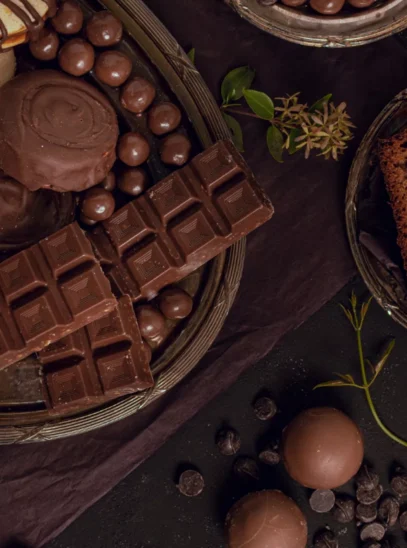
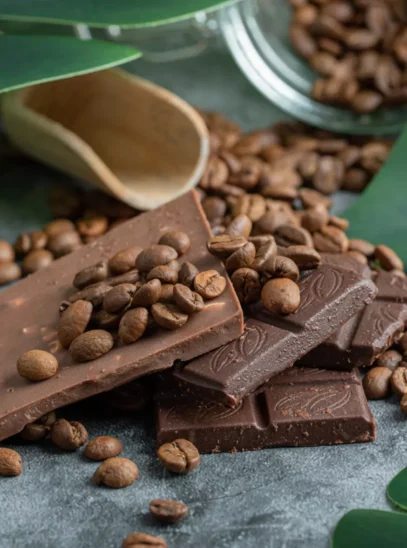
Chocolate bars are the most traditional format. They offer maximum flexibility and are often preferred by artisans and small batch producers. Bars allow professionals to cut, shave, or portion chocolate exactly as needed for specific recipes.
Bars work well for ganache, sauces, fillings, and recipes where quantities vary frequently. They also appeal to chefs who prefer hands on control and are comfortable adjusting texture and melt manually.
However, bars require additional preparation time. Chopping can lead to uneven pieces, which affects melting consistency. In high volume kitchens, this can slow down production and introduce variability.
Callets and Buttons: Precision and Consistency
Callets and buttons are designed for accuracy. Their uniform size ensures even melting and predictable tempering behaviour. This makes them ideal for moulding, enrobing, coating, and decorative work.
In professional kitchens where speed and consistency matter, callets and buttons reduce preparation time and minimise error. Portioning becomes easier, melting is more controlled, and repeatability improves.
These formats are especially valuable for large scale production or any application where appearance, shine, and snap are critical.
Chocolate Chips: Built for Baking Stability
Chocolate chips are formulated differently from other formats. Their structure allows them to hold shape during baking instead of fully melting into the dough or batter. This makes them ideal for cookies, muffins, brownies, and breads.
Using callets or chopped bars in baked goods often leads to excessive spreading or uneven distribution. Chips solve this problem by maintaining distinct chocolate pockets after baking.
Professionals choose chips not for melting quality but for performance under heat.
Chocolate Powders: Flavour Without Fat Structure
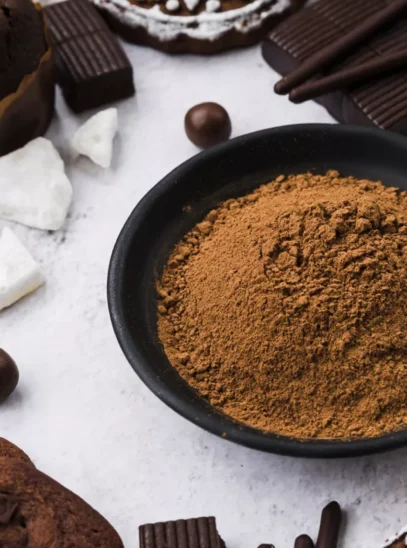
Chocolate powders and cocoa powders deliver flavour, aroma, and colour without contributing structural fat. This makes them essential for applications such as beverages, sponge cakes, brownies, dusting, and fillings where chocolate flavour is required without altering texture.
Powders vary widely in fat content, alkalisation, and intensity. Choosing the right powder depends on the desired bitterness, colour, and application. A strong powder may overpower delicate desserts, while a mild one may disappear in rich recipes.
Professionals treat chocolate powders as flavour tools rather than direct substitutes for solid chocolate.
Buttons Versus Callets: A Practical Difference
Buttons are usually slightly larger than callets, offering a balance between portion control and handling ease. They are often preferred when melting speed needs to be slightly slower or when visual distinction matters.
Callets, being smaller, melt faster and offer finer control. The choice between the two often comes down to workflow preference and melting behaviour rather than quality.
Choosing the Right Format Based on Application
There is no universal best format. The right choice depends entirely on usage.
For moulding and coating, callets or buttons offer precision.
For baking, chips perform best.
For flavouring and colour, powders are ideal.
For flexible, small scale work, bars provide control.
Professionals who match format to function experience fewer issues and more consistent results.
Efficiency, Waste, and Cost Control
Incorrect format selection often leads to higher waste. Uneven melting causes overheating. Poor portion control increases excess usage. Slow preparation affects labour efficiency.
Choosing the right format streamlines production and improves cost control without compromising quality.